
Articles
In hazardous industrial environments—such as oil refineries, chemical plants, and underground mines—standard surveillance equipment isn’t just inadequate; it’s a potential trigger for disaster. When selecting monitoring solutions for "Ex" zones, two terms dominate the conversation: Explosion-Proof and Intrinsically Safe.
While both are designed to prevent igniting flammable gases or dust, they achieve this through fundamentally different engineering principles. Understanding these differences is crucial for site safety, regulatory compliance, and budget optimization.
1. What is an Explosion-Proof Camera?
Contrary to what the name might suggest, an "explosion-proof" camera is not designed to survive an outside explosion unscathed. Instead, it is designed to contain an internal explosion.
How it Works:
Explosion-proof (Ex d) cameras are housed in heavy-duty enclosures—typically made of stainless steel or thick aluminum. If an electrical spark or a component failure inside the camera ignites a flammable mixture that has seeped into the housing, the enclosure is strong enough to withstand the internal pressure.
Moreover, the "flame paths" (the joints where parts of the housing meet) are engineered to cool the escaping hot gases so that by the time they reach the outside atmosphere, they are too cool to ignite the surrounding environment.
Key Features:
Heavy, rugged construction (often
High resistance to physical impact and corrosion.
Ideal for fixed monitoring in high-risk zones.
2. What is an Intrinsically Safe Camera?
Intrinsically safe (IS) equipment takes a preventative approach. Rather than containing an explosion, it focuses on eliminating the source of ignition altogether.
How it Works:
Intrinsically safe (Ex i) systems are designed to operate with such low thermal and electrical energy that they cannot produce a spark or reach a temperature high enough to ignite a specific hazardous atmospheric mixture. This is achieved through specialized circuitry and "Zener barriers" that limit current and voltage.
Key Features:
Lightweight and often portable.
Lower power consumption.
Focuses on circuit-level safety rather than heavy housing.
3. Critical Differences at a Glance
Feature | Explosion-Proof Cameras | Intrinsically Safe Cameras |
Safety Logic | Contains and cools internal flames. | Prevents sparks/heat from occurring. |
Material | Heavy stainless steel/thick alloy. | Lightweight plastics or light metals. |
Installation | Requires specialized conduits and seals. | Simpler wiring; often battery-powered. |
Maintenance | Requires strict inspection of seals/bolts. | Easier to maintain due to low-energy design. |
Typical Use | Permanent CCTV in refineries/gas stations. | Handheld inspection or mobile sensors. |
4. Which One Should You Choose?
The choice between explosion-proof and intrinsically safe cameras usually depends on your specific application and the "Zone" classification of your facility.
Choose Explosion-Proof if: You need high-definition, permanent surveillance (CCTV) that requires higher power for PTZ (Pan-Tilt-Zoom) functions, infrared thermal imaging, or long-distance transmission. For professional-grade fixed solutions,
Choose Intrinsically Safe if: You need portable devices for technicians to carry during inspections, or low-power sensors where heavy cabling is impossible.
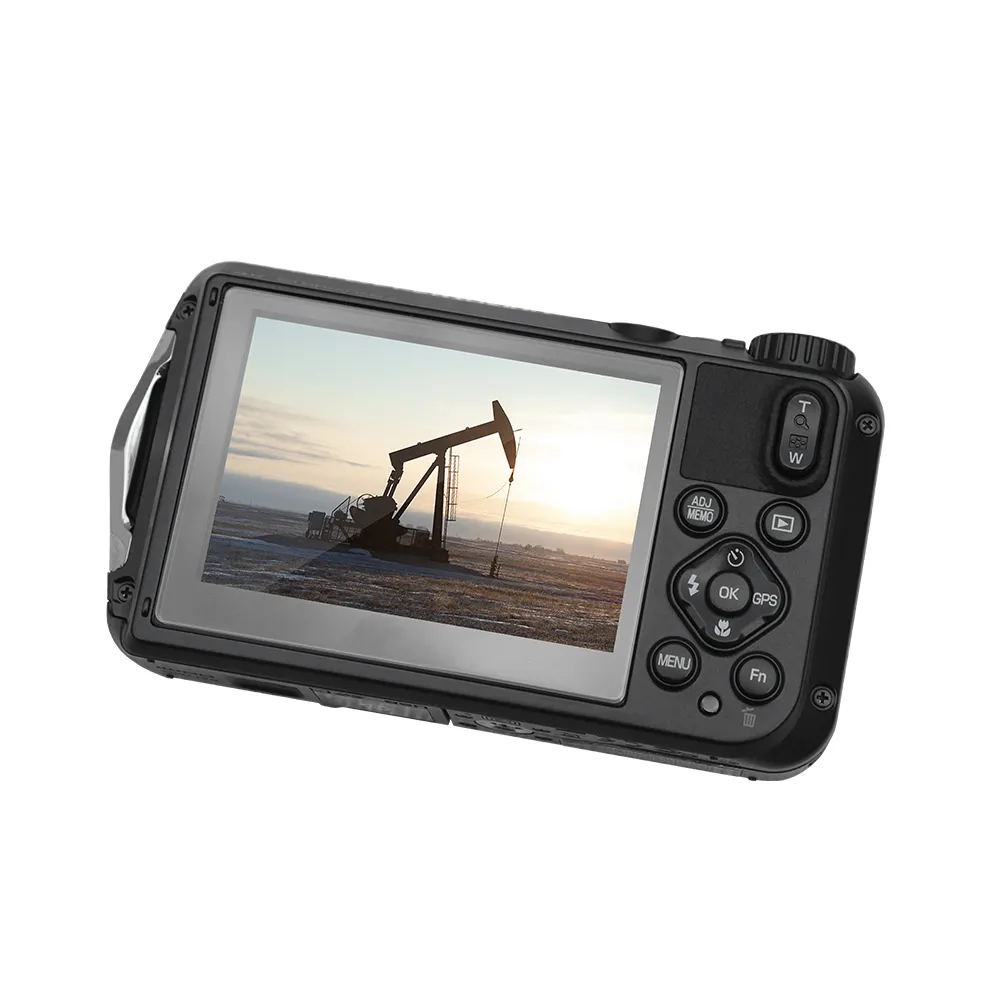
5. Conclusion: Safety First
In the world of hazardous area equipment, there is no "one size fits all." While explosion-proof cameras offer the ultimate physical protection for heavy-duty monitoring, intrinsically safe devices offer flexibility for low-power applications.
As a leading provider of specialized monitoring equipment, Xuxin offers a wide range of certified explosion-proof cameras designed to meet the most stringent safety standards (ATEX/IECEx). Ensuring your facility is equipped with the correct technology is not just about protecting your assets—it’s about protecting lives.
Explore our full range of high-performance explosion-proof monitoring solutions at


 Location:
 Time:2026-04-14
  Hits:84
  2026-04-14